April 18, 2026
The Pigeon Blood Ruby: Understanding the World's Most Coveted Colour
Of the many qualities that define an exceptional ruby, colour reigns supreme. The term "pigeon blood" has been used for centuries to describe the most prized shade — a pure, vivid red with a hint of blue...
By Certified Gemologist
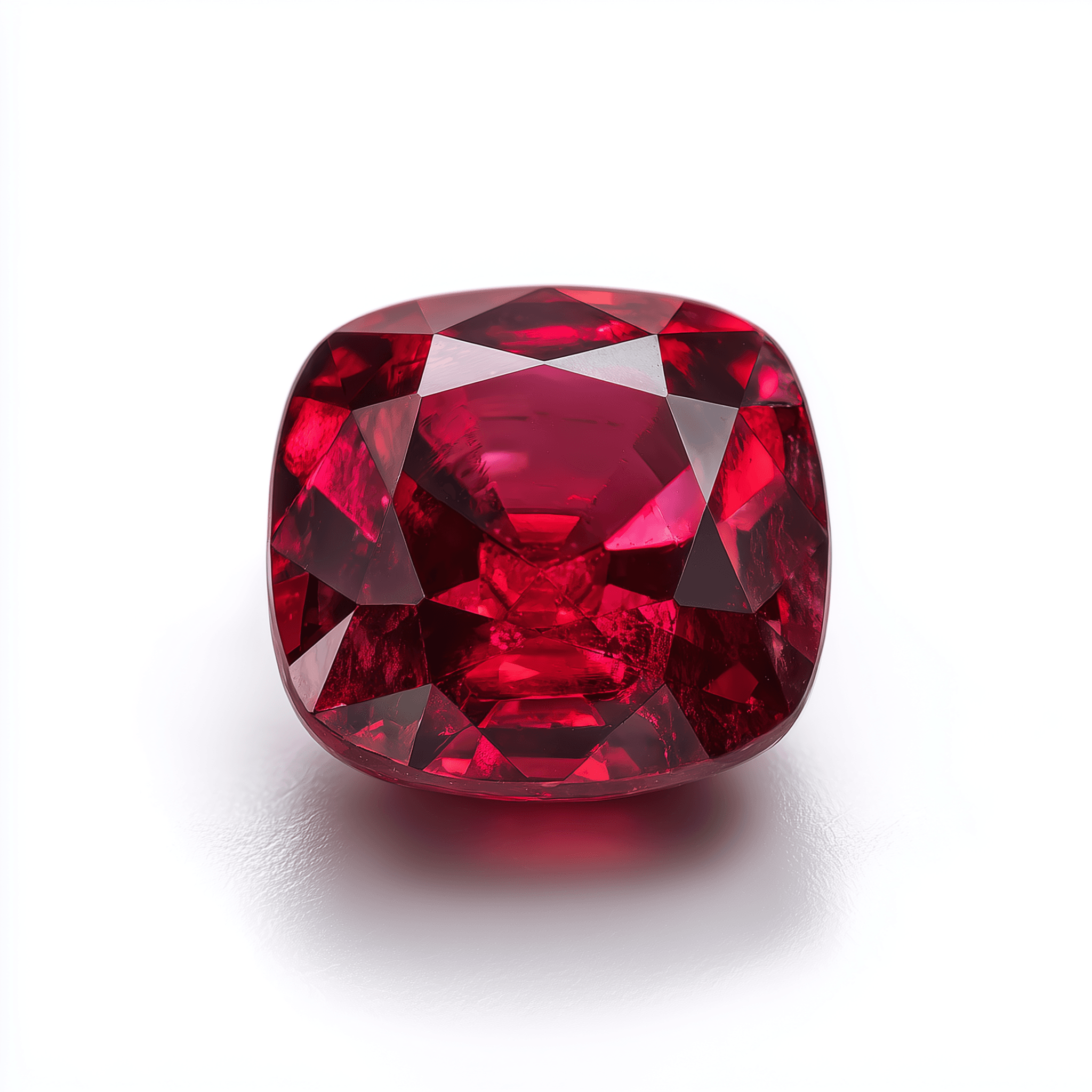
The Pigeon Blood Ruby
Of the many qualities that define an exceptional ruby, colour reigns supreme. The term "pigeon blood" has been used for centuries to describe the most prized shade — a pure, vivid red with a hint of blue, saturated enough to glow almost from within without sliding into purple or pinkish territory.
Where the term comes from
The phrase originates in Mogok, Burma (modern Myanmar) — the historic source of the finest rubies on earth. Local traders compared the finest stones to the first two drops of blood from a slaughtered pigeon's nose: a deep, slightly fluorescent red with no brown undertones. Today the term carries real technical weight: GRS, Gübelin and SSEF each define pigeon blood in slightly different ways, but all converge on the same narrow window of hue, saturation and tone.
What separates a great stone from a merely red one
Three factors dominate:
- Hue — a touch of blue is essential. Orange-leaning stones read as "warm" or "garnet-like"; pinkish stones step into pink sapphire territory.
- Saturation — pigeon blood rubies remain intensely coloured under nearly any lighting. Lesser stones lose life under fluorescents or go inky in shade.
- Fluorescence — Burmese rubies contain trace chromium that makes them fluoresce red under UV. The effect spills into daylight too, giving them that "lit from within" quality.
Treatment and provenance
Heat treatment is common and accepted across the trade; what matters is disclosure. An untreated Burmese ruby with a pigeon blood designation from GRS or Gübelin commands a significant premium. Mozambican material (Montepuez) can reach pigeon blood colour and has changed the market — it is often larger, cleaner, and priced more accessibly than comparable Burmese stones.
How we advise clients
Ask for the lab report first, then look at the stone in three light sources: natural daylight, incandescent, and shade. A true pigeon blood ruby will shift only in intensity, not in hue.
If you are considering a stone in this category, open an inquiry with your size and budget and we can shortlist what the market currently offers.