April 19, 2026
Kashmir Sapphires: Why This Origin Commands a Premium
The term 'Kashmir' in the gemstone world is synonymous with the finest blue sapphire ever unearthed. Mined for only a brief period in the late 19th century, these stones remain the benchmark for blue...
By Certified Gemologist
Kashmir Sapphires
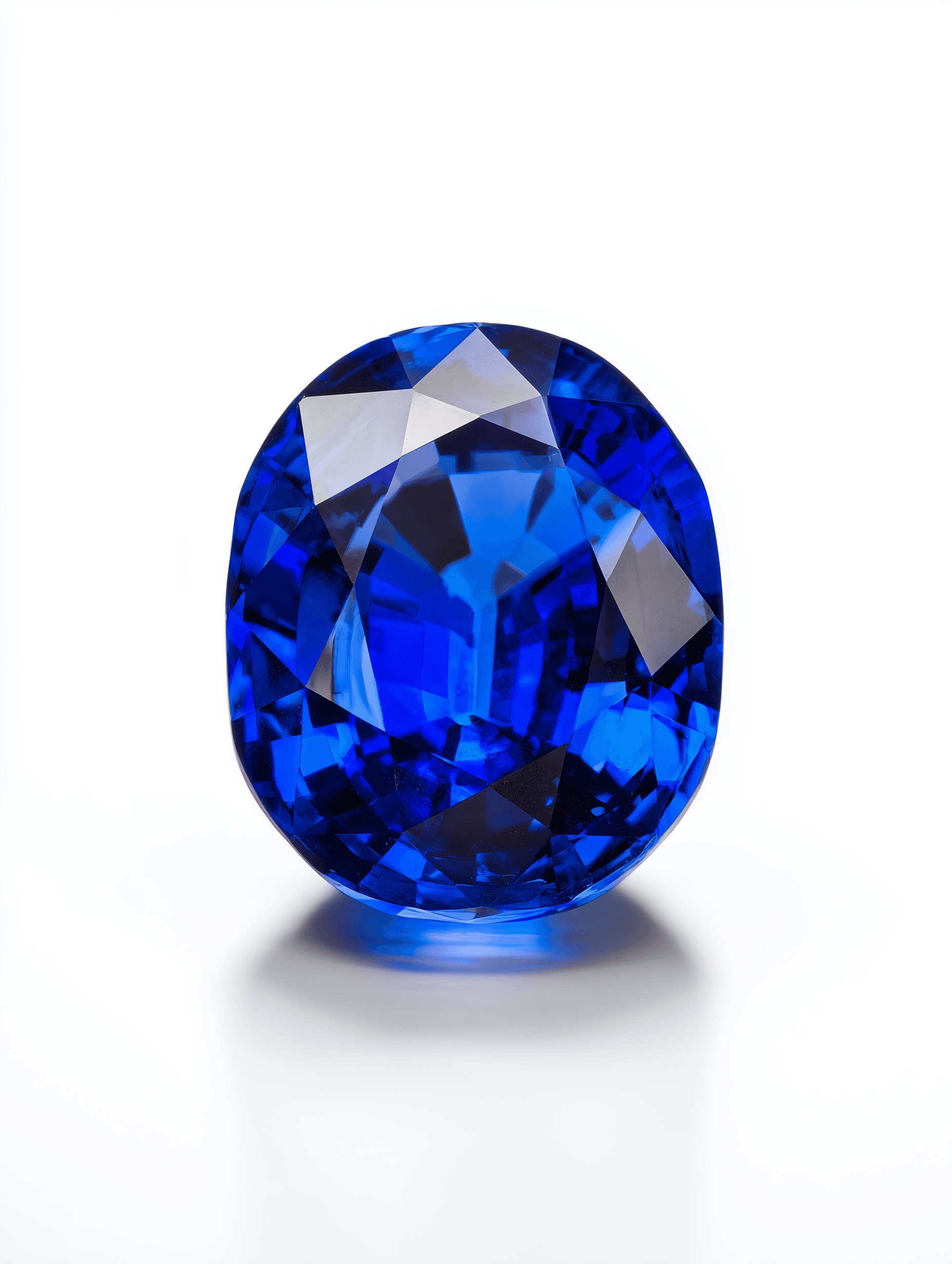
The term "Kashmir" in the gemstone world is synonymous with the finest blue sapphire ever unearthed. Mined for only a brief period in the late 19th century, these stones remain the benchmark for blue — the reference every other sapphire is measured against.
A 40-year window
The Kashmir deposit, high in the Himalayas near the village of Soomjam, was discovered after a landslide in 1881 and was effectively exhausted by the early 1920s. No commercially significant production has come from the region since. Every Kashmir sapphire on the market today was mined more than a century ago.
What makes the colour unique
Kashmir sapphires display a saturated, velvety cornflower blue with a soft, slightly milky appearance under magnification — the "sleepy" or "lock" look caused by fine rutile inclusions that scatter light evenly. The effect is that the stone retains its colour whether in bright sunlight, shade, or incandescent light, without darkening or shifting toward violet.