April 06, 2026
How to Choose a Natural Sapphire: Expert Guide
From Kashmir cornflower to Ceylon royal blue — a gemologist's framework for evaluating origin, color, clarity, and heat treatment when selecting a sapphire for collection or investment.
By Certified Gemologist
Why origin matters
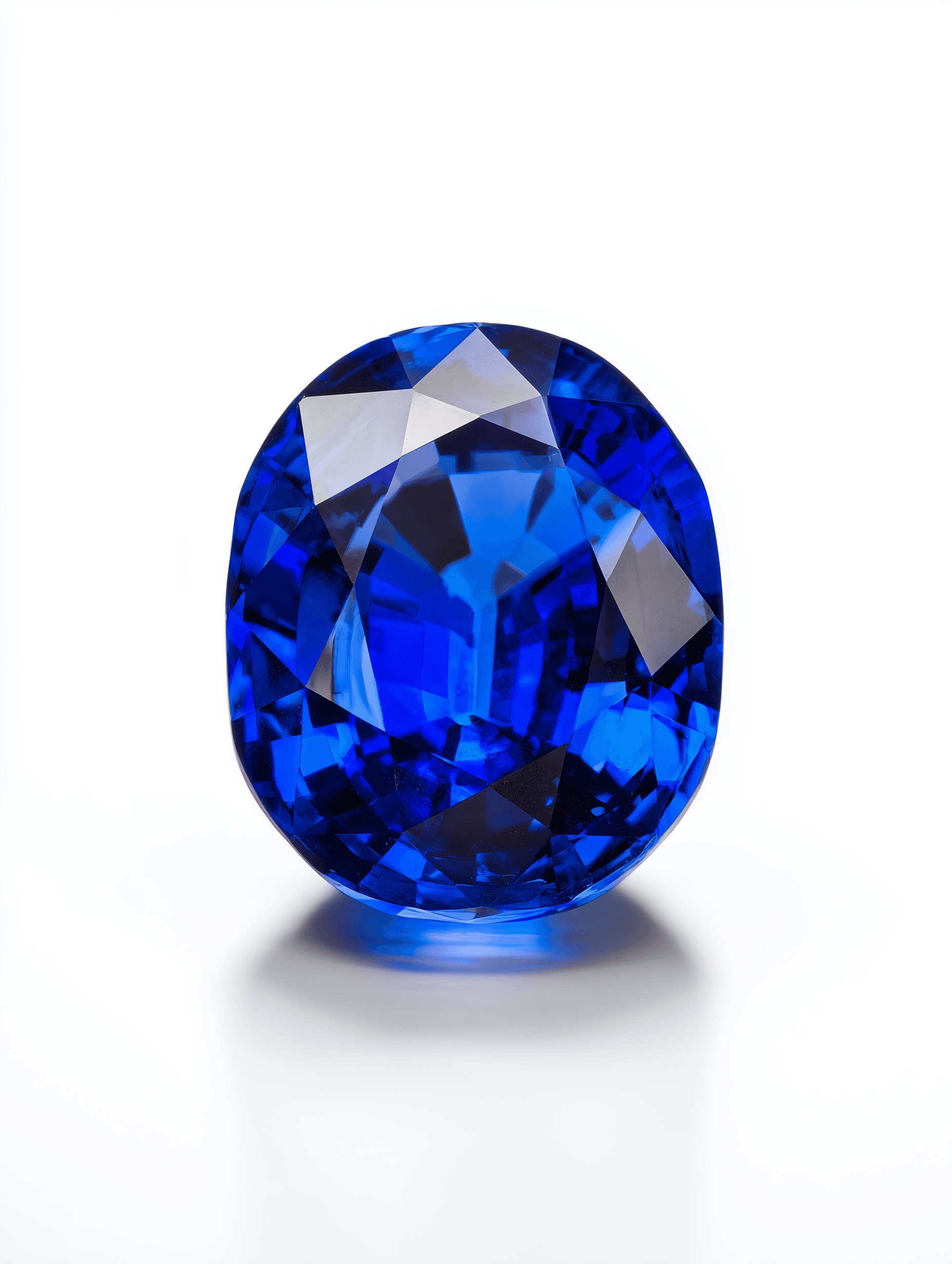
The sapphire market prices three origins above all others: Kashmir (extinct mines, 1881–1938), Burma (Myanmar), and Ceylon (Sri Lanka). A one-carat Kashmir sapphire can trade at a 3–5× premium over a visually identical stone from Madagascar or Mozambique. The premium is not arbitrary — the geology is different, the inclusion patterns are diagnostic, and the market has priced origin as a long-horizon asset class.
For a first serious purchase, we recommend targeting Ceylon blue: reliable supply, well-understood grading, strong liquidity at auction. Kashmir is for clients who understand the market.
The four C's, adjusted for coloured stones
Diamond grading (Cut, Color, Clarity, Carat) does not translate cleanly to sapphires. Here's how gemologists actually think:
- Color dominates. A "royal blue" or "cornflower blue" sapphire is worth a multiple of a greyish or inky stone, even at identical weight.
- Clarity is about transparency, not perfection. Sapphire is expected to have inclusions — what matters is whether they affect brilliance.
- Cut is functional: does the stone return light? A well-cut 1.5-ct sapphire out-performs a poorly-cut 2-ct.
- Carat is the last multiplier, not the first. Weight without colour is disappointing.
Heat treatment: disclosed, not hidden
Roughly 95% of sapphires on the market are heat-treated. This is a legitimate enhancement that improves colour and clarity, but it has to be disclosed. Unheated sapphires of investment grade trade at a significant premium — 2–4× for comparable size and colour, depending on origin.
The laboratory report tells you definitively. If a seller dodges the question or refuses to provide a report from GRS, SSEF or Gübelin, walk away.
What to ask before you buy
- What does the origin-determination section of the report say?
- Heated or unheated? What treatment did the lab detect?
- Can I see the stone under both daylight and incandescent light?
- What is the seller's return policy, and who pays the insured return freight?
These four questions separate serious sellers from tourist traps. At TopGems every stone ≥$3,000 ships with an independent GRS / SSEF / Gübelin / GIA / AGL report, and we will never dodge questions about treatment.