Gemstone Guide: Ten Stones Every Collector Should Know
A working reference for the ten colored gemstones we carry most often — hardness, key origins, common treatments, and what to look for when buying.
By Certified Gemologist
Why colored stones
A diamond's worth is graded on four near-universal axes — the 4Cs — which makes pricing predictable but leaves most of the stone world unexplored. Colored stones trade on a different logic: origin carries almost as much weight as carat, and a small shift in hue or saturation can double a price. This guide is the working reference we give new collectors.
For every stone below, the hardness number is from the Mohs scale (10 = diamond). Anything 7 or above survives daily jewelry wear.
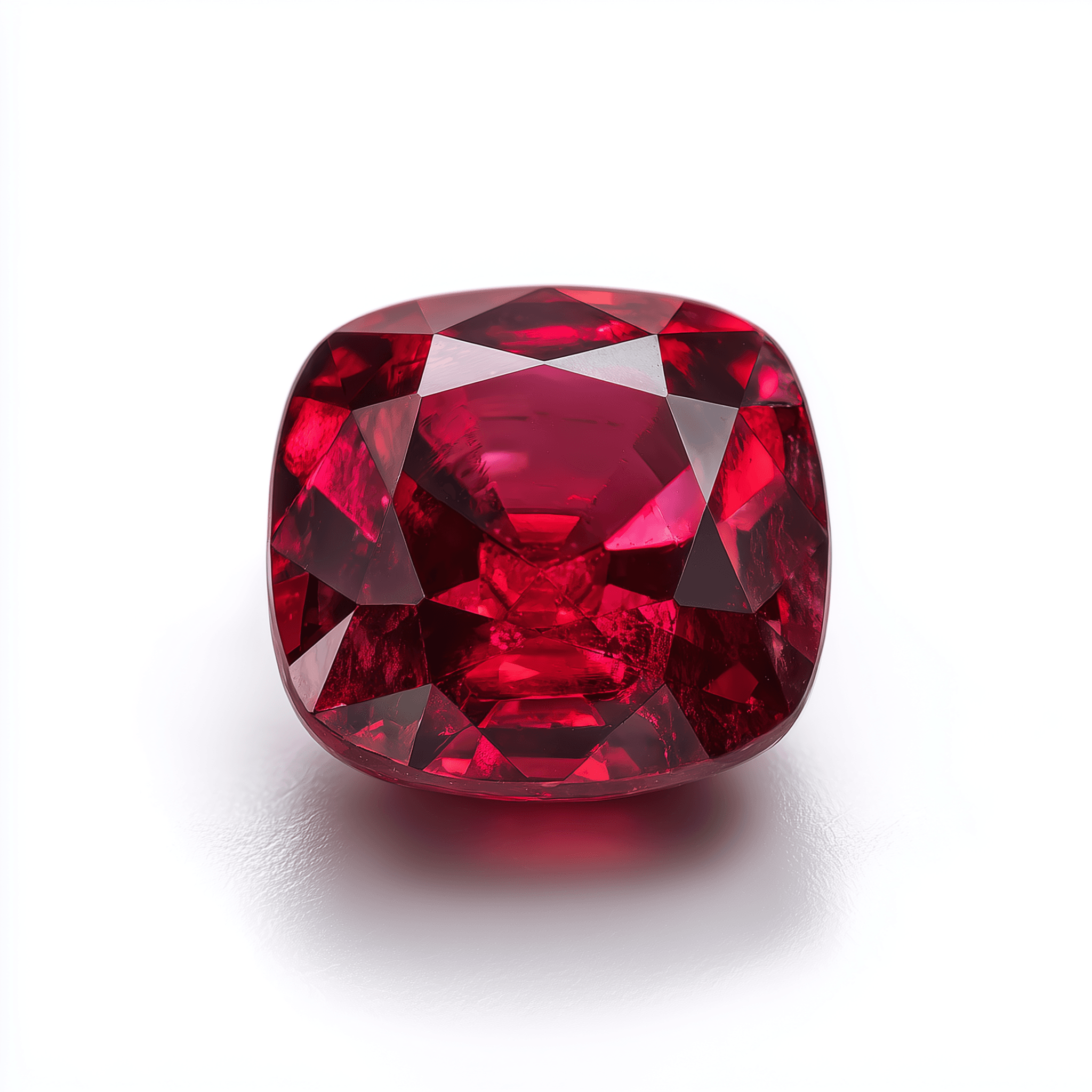
Ruby is the most prestigious of the red stones and the most price-sensitive to origin. A 3-carat Burmese "pigeon-blood" can cross six figures; a visually close Mozambique stone at the same weight sits far below. What you are paying for is:
Hue: pure red, slight pink secondary is acceptable; purple or orange secondaries dock value
Saturation: "vivid" is the target
Fluorescence: Burmese ruby glows red under UV, which makes the color read stronger in low light
Heat treatment: almost universal and fully accepted; "no heat" (NH) is the premium
Look for a GRS or SSEF report on rubies above 1 carat. Any mention of lead-glass or flux fracture filling drops the stone into the "treated" category — these trade at a fraction of natural.
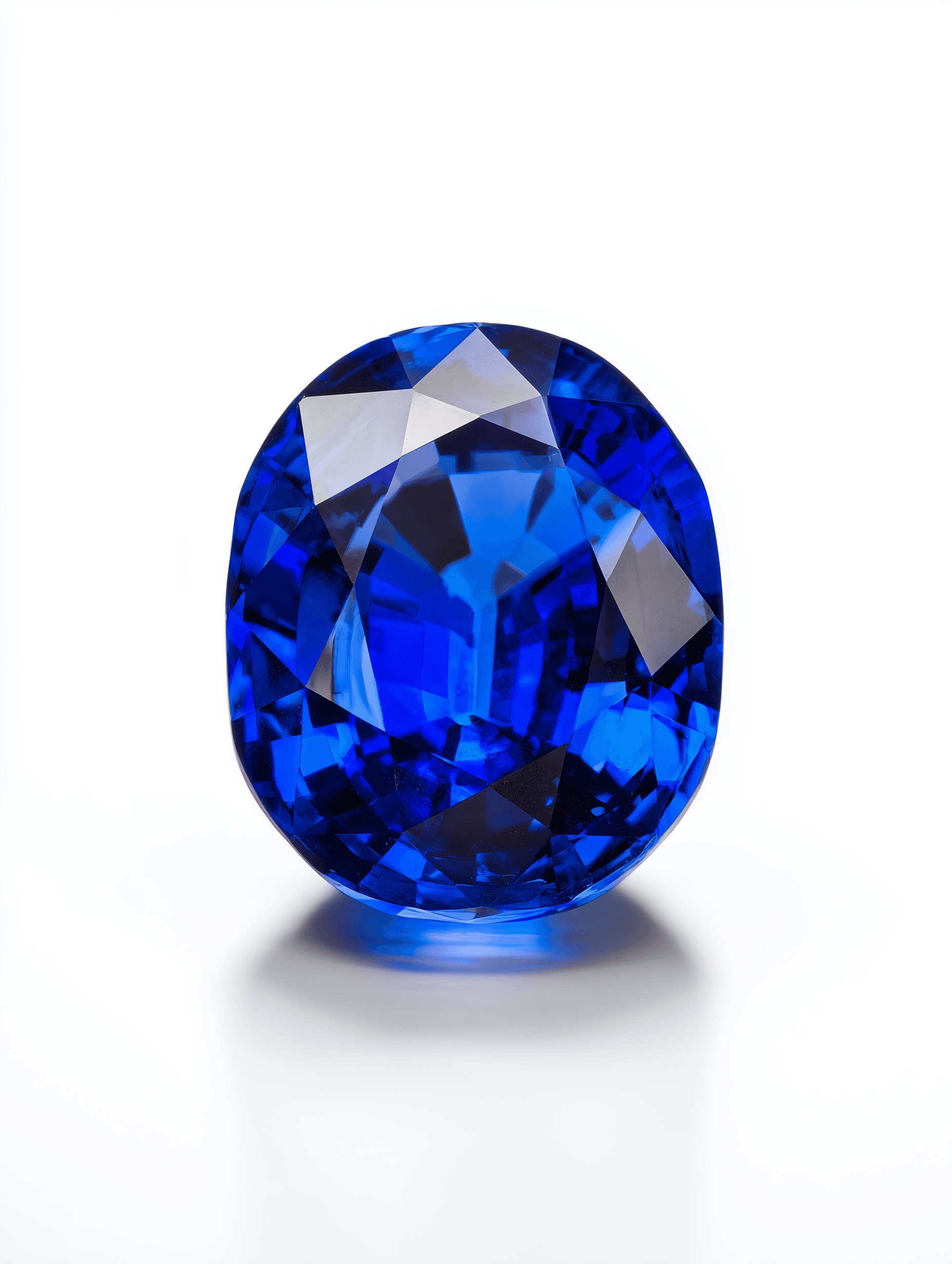
"Sapphire" by default means blue, but the species includes pink, yellow, green, padparadscha (pinkish-orange), and colorless. Kashmir trades at a 3–5× premium over visually identical Madagascar stones because the mines closed in 1938. Ceylon dominates the mid-market; Burmese is the collector's target for royal-blue saturation.
Buy unheated when the budget allows — roughly 20–40% of sapphire premium over heated equivalents.
Emerald — the beryl that cracks
Species: beryl. Hardness: 7.5–8, but toughness is poor — emerald is famously brittle.
Colombian "old mine" stones (Muzo, Chivor) are the reference standard for the pure "emerald green" that jewelers use as a color name. Zambian emeralds lean bluer and cleaner, Brazilian stones lean yellower. Almost every emerald is oiled to improve apparent clarity; the lab report will note "minor," "moderate," or "significant" treatment, and the first two are commercially accepted.
Spinel — the underrated one
Species: spinel (its own mineral family). Hardness: 8. Key origins: Burma (Mogok, Namya), Tanzania (Mahenge), Sri Lanka, Vietnam.
Historic "Timur ruby" and many of the crown jewels labelled as rubies turned out to be spinels. Today spinel is a collector's stone — undervalued relative to ruby, with a color range from the famous Mahenge "neon" hot-pink through cobalt blue. Almost all natural spinel is unheated and untreated, a strong selling point for buyers wary of treatment provenance.
Paraiba tourmaline — the neon blue
Species: tourmaline (copper-bearing variety). Hardness: 7–7.5. Key origins: Brazil (Paraiba state), Mozambique, Nigeria.
Paraiba earns its premium through copper — trace amounts produce an electric neon teal-blue that no other stone matches. Brazilian Paraiba is the reference, Mozambique is more abundant and priced 30–60% below for equivalent saturation. Stones above 2 carats with true "neon" color are scarce and often sell privately.
Alexandrite — the color-change
Species: chrysoberyl. Hardness: 8.5. Key origins: Russia (Ural, historical), Brazil, Sri Lanka, India.
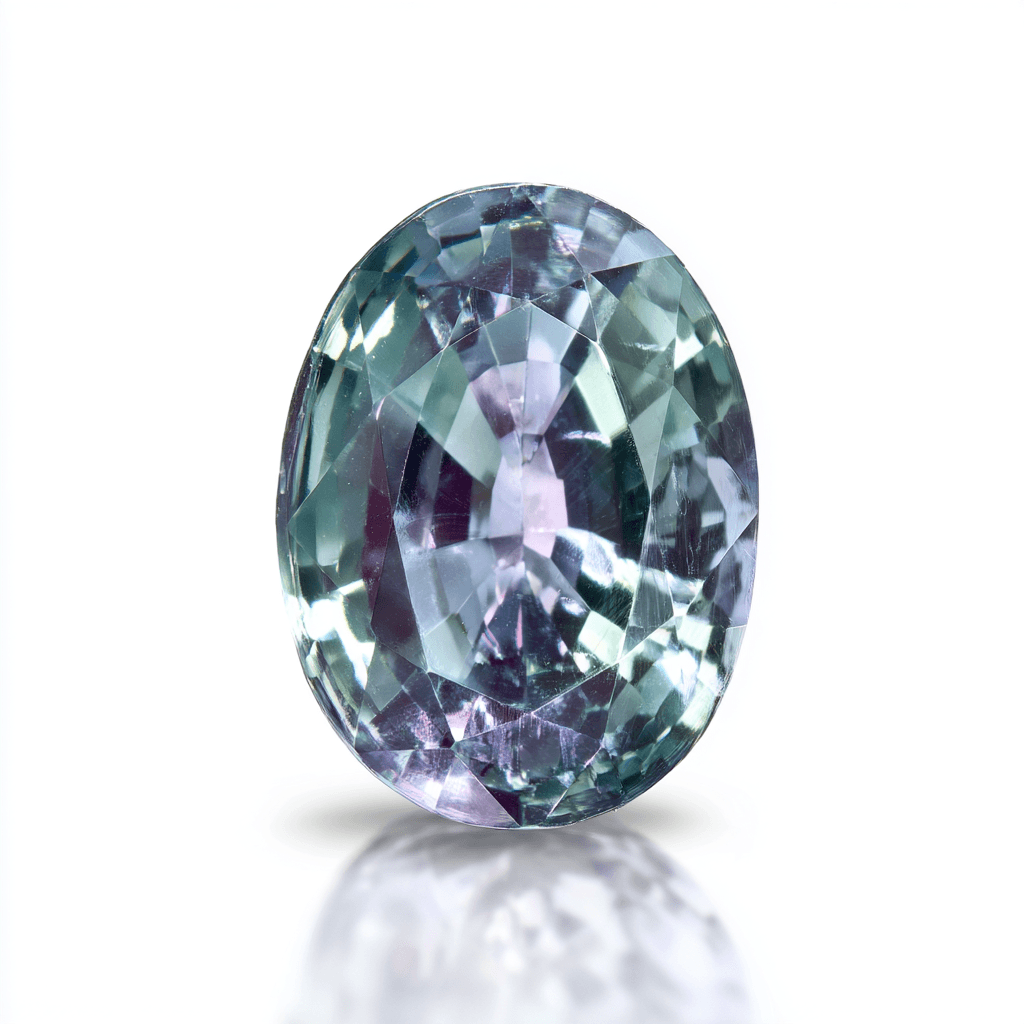
Alexandrite changes hue with light: green or teal under daylight, purplish-red under incandescent. The dramatic Russian "day/night" effect defines the benchmark. Anything above 2 carats with strong, clean color change is a serious collector piece. Lab-grown alexandrite is common and cheap — always require a natural-origin report.
Tanzanite — single source
Species: zoisite (blue variety). Hardness: 6–7. Key origin: Tanzania (Merelani Hills — the only commercial source in the world).
Tanzanite is almost always heat-treated (low-grade brownish rough → saturated blue). Treatment is permanent and universally accepted. The premium goes to deeply saturated blue with a hint of violet, ideally AAA or AAAA trade grade. Reserve tanzanite for earrings and pendants — its lower hardness makes it a poor daily ring stone.
Every color exists in tourmaline. Chrome tourmaline (vivid grassy green from trace chromium) and rubellite (pure red-pink) command the highest premiums. "Watermelon" bicolor stones (pink core, green rim) are a favorite. Tourmaline is almost always untreated, which is part of its appeal.
Aquamarine — the clean blue
Species: beryl (same as emerald). Hardness: 7.5–8. Key origins: Brazil (Santa Maria, Espírito Santo), Mozambique, Madagascar.
Aquamarine is graded almost entirely on saturation — pale stones are abundant and cheap, deep "Santa Maria" blue sits in the top 10%. Heat treatment is standard and accepted. Look for clean stones with minimal green secondary.
Garnet — the family, not the stone
Species: garnet group (six+ species). Hardness: 7–7.5.
"Garnet" on its own doesn't mean much — the family includes tsavorite (vivid green, East Africa, rare, expensive), spessartine/mandarin (orange, Nigeria), rhodolite (pink-red, mid-market), and demantoid (green, Russia, horsetail inclusions). When buying "garnet" always confirm the species — the price range across the family is five orders of magnitude wide.
Next steps: Read our 4C Guide for diamond grading, the Certification guide to understand lab reports, and the How to Buy walk-through for the TopGems purchasing flow.