April 18, 2026
Certification Explained: GIA, GRS, SSEF, Gübelin and the Rest
Which gem labs matter, what each specializes in, how to verify a report online, and why a certificate is worth the fee above 1 carat.
By Certified Gemologist
What a certificate actually buys
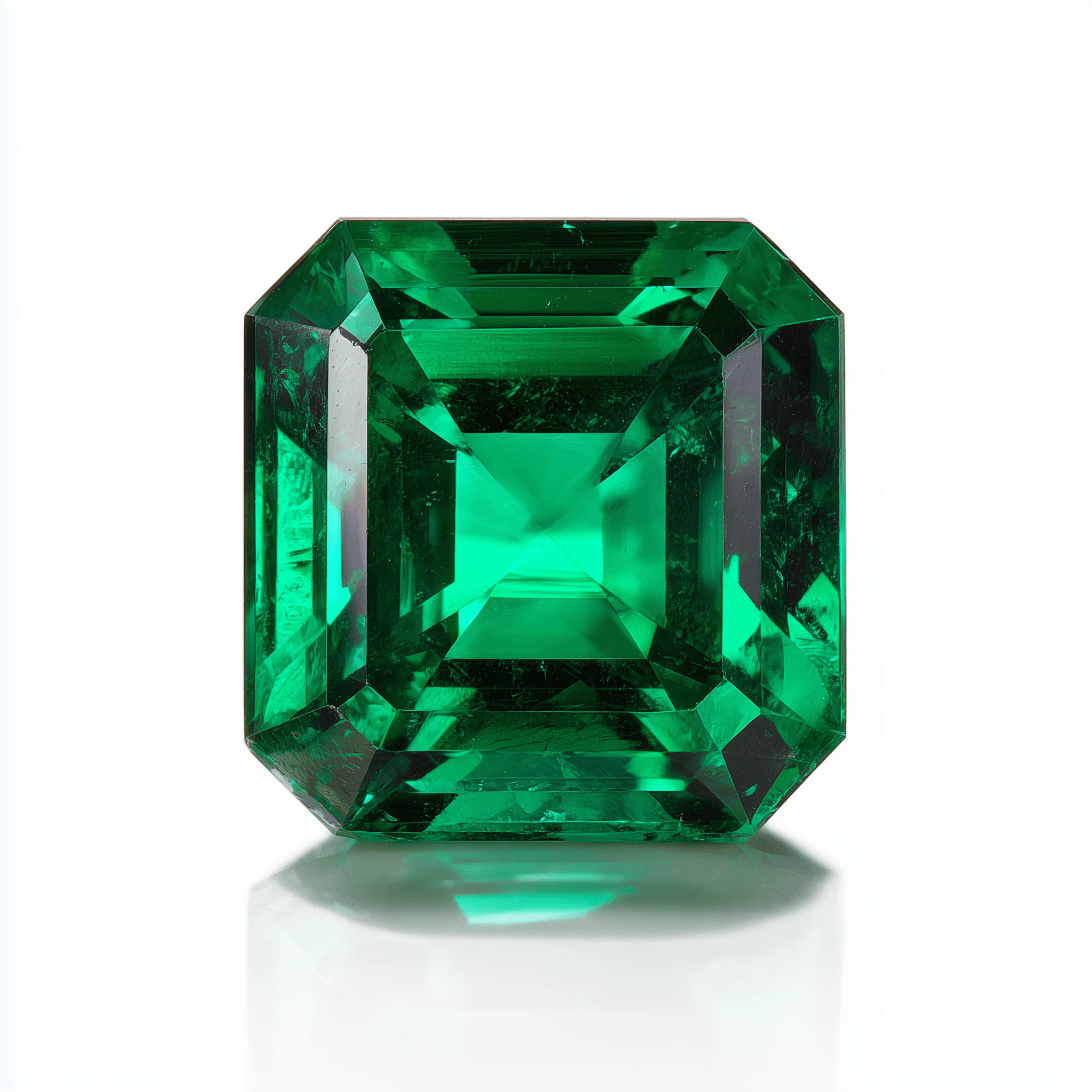
A gemological report is an independent confirmation of four things: species (is this actually a sapphire?), origin (where it was mined), treatment (has it been heated, oiled, diffused, or irradiated?), and quality factors (weight, measurements, color grade where applicable). For stones above roughly 1 carat, the cost of a report — $50 to $500 depending on lab and stone — is a tiny fraction of price and a very large fraction of resale confidence.
Below 1 carat, certification often costs as much as the stone itself and is usually skipped.
GIA — the universal standard
Gemological Institute of America. Founded 1931, U.S.-based with branches worldwide. The reference lab for diamonds. For colored stones GIA is competent but conservative — its origin calls are more cautious than the Swiss labs below, so collectors looking for a "Kashmir" or "Mogok" determination often go elsewhere.
- Best for: diamonds (natural + lab-grown)
- Colored stones: reliable for species + treatment; conservative on origin
- Verify: gia.edu/report-check (enter the report number)
- Turnaround: 3–6 weeks standard
GRS — the origin specialist
Gem Research Swisslab. Zurich-based. Dominant in colored stones, especially ruby, sapphire, spinel. Uses specific color names ("pigeon-blood red," "royal blue," "cornflower blue," "vivid green") that carry market premiums. Dealers routinely quote GRS language in listings.
- Best for: colored stones where origin and color language matter
- Pigeon-blood designation: available only for Burmese rubies meeting specific color saturation
- Verify: gemresearch.ch/reportcheck
SSEF — the high-end lab
Swiss Gemmological Institute SSEF. Basel-based. The reference lab for premium colored stones — Kashmir sapphire, no-heat Burmese ruby, Colombian emerald. Known for extremely conservative, evidence-based origin determinations. An SSEF "Kashmir" call is effectively market-final.
- Best for: high-value colored stones, no-heat determinations
- Research arm: publishes papers on treatment detection and origin science
- Verify: ssef.ch
Gübelin — the heritage lab
Gübelin Gem Lab. Lucerne-based. Centuries-old jeweler with a research lab that pioneered modern origin determination. Comparable to SSEF in rigor and market weight. Issues Gemmological Reports with origin and treatment; Appendices cover premium designations.
- Best for: same premium segment as SSEF; often both are commissioned for auction-grade stones
- Gemstone Rating: a proprietary grade ("exceptional," "pronounced") that appears on premium reports
- Verify: gubelingemlab.com
AGL — the American lab
American Gemological Laboratories. New York-based. Strong on colored stones with a U.S. market orientation. Uses a "ColoredStone Report" format.
- Best for: U.S.-sourced buyers who want a domestic lab
- Reputation: respected, though less globally dominant than GRS/SSEF/Gübelin
AIGS — the Bangkok lab
Asian Institute of Gemological Sciences. Bangkok-based. Strong on the Southeast Asian supply chain — rubies from Mogok and Mong Hsu, sapphires from Chanthaburi, spinel from Burma. Often the first lab to see a stone at the cutting-house stage.
- Best for: stones sourced through Bangkok dealers
- Turnaround: the fastest of the major labs (often 3–5 business days)
IGI — the volume lab
International Gemological Institute. Antwerp/Mumbai/New York. Grades huge volumes of diamonds — both natural and lab-grown — at lower cost than GIA. IGI reports are accepted by most retailers and are the norm for lab-grown diamonds.
- Best for: lab-grown diamonds, mid-market natural diamonds
- Note: resale market weighs GIA reports higher than IGI for equivalent grades
How to verify a report online
Every major lab offers free online report verification. Enter the report number from the physical certificate; the website returns the full grading data. Verification proves the report is genuine; if the number is not found, walk away.
- gia.edu/report-check
- gemresearch.ch/reportcheck
- ssef.ch (go to the testing menu)
- gubelingemlab.com (verification tool under "Services")
- igi.org/verify-your-report
What to check on every report
- Report number matches the stone's laser inscription (if any)
- Species — does it match what's on the invoice?
- Weight and dimensions — compare against the physical stone (precision scale + digital calipers)
- Treatment — "no indications of thermal enhancement" vs "heated" is the single biggest price-driver on ruby/sapphire
- Origin — read the footnote for the confidence level ("typical of" vs definitive)
- Comments — look for oiling (emerald), lead-glass filling (treated ruby), coatings, etc.
When to get re-certified
- Buying on an older report (5+ years): modern labs detect treatments that older reports missed. Re-certification resets confidence.
- Multiple labs for high-value stones: stones above $50,000 are often accompanied by two reports (e.g. GRS + SSEF) for dual confirmation.
- After re-cutting or re-polishing: original report is invalid; new one required.
Next: the How to Buy guide walks through the TopGems flow, or check the Verify page to look up a certificate you already have.