April 15, 2026
Investment Gemstones: What Makes a Stone Valuable
Rarity, provenance, condition, market depth — the four pillars of gem investability. Case studies on Burmese rubies, Colombian emeralds, and Kashmir sapphires over the past decade.
By Certified Gemologist
Gemstones as an asset class
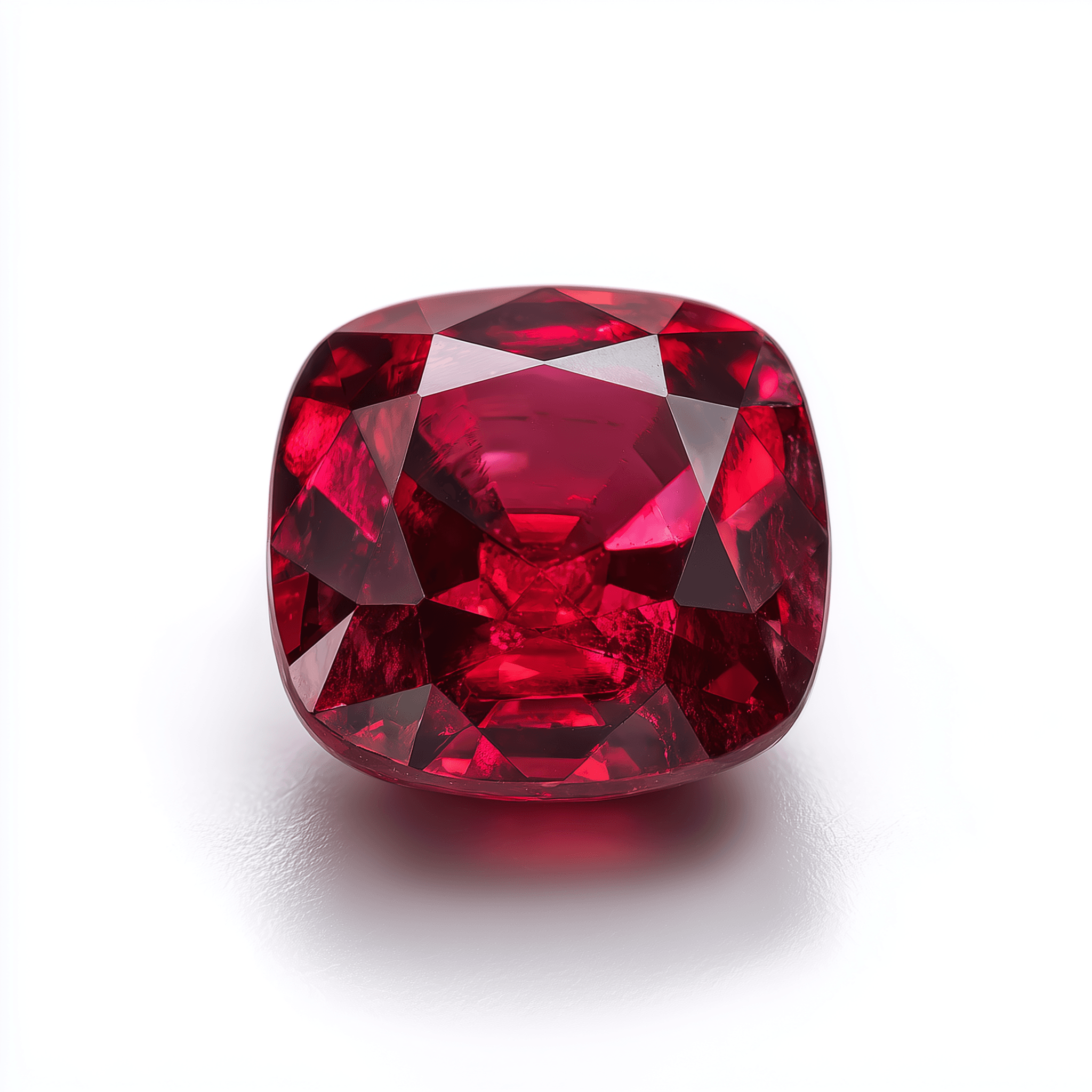
Coloured gemstones are a real asset class. The top origins — Kashmir sapphire, Burmese "pigeon blood" ruby, Muzo emerald, Paraíba tourmaline — have compounded value at 6–9% per year over the past two decades, roughly in line with inflation-adjusted fine-art returns. But the asset class is illiquid and opaque, and most retail buyers over-pay on entry by 30–60%.
This guide is the framework we use with clients who want to treat stones as a capital store.
What makes a stone "investment grade"
Three conditions, all required:
- Verifiable origin — Kashmir, Burma, Ceylon, Muzo, Mozambique (for specific stones). A lab report with origin determination from GRS, SSEF, or Gübelin is mandatory.
- No treatment, or minimal disclosed treatment — unheated sapphire and ruby trade at 2–4× heated equivalents. Oiled emerald is acceptable (almost universal) but the degree (minor / moderate / significant) matters.
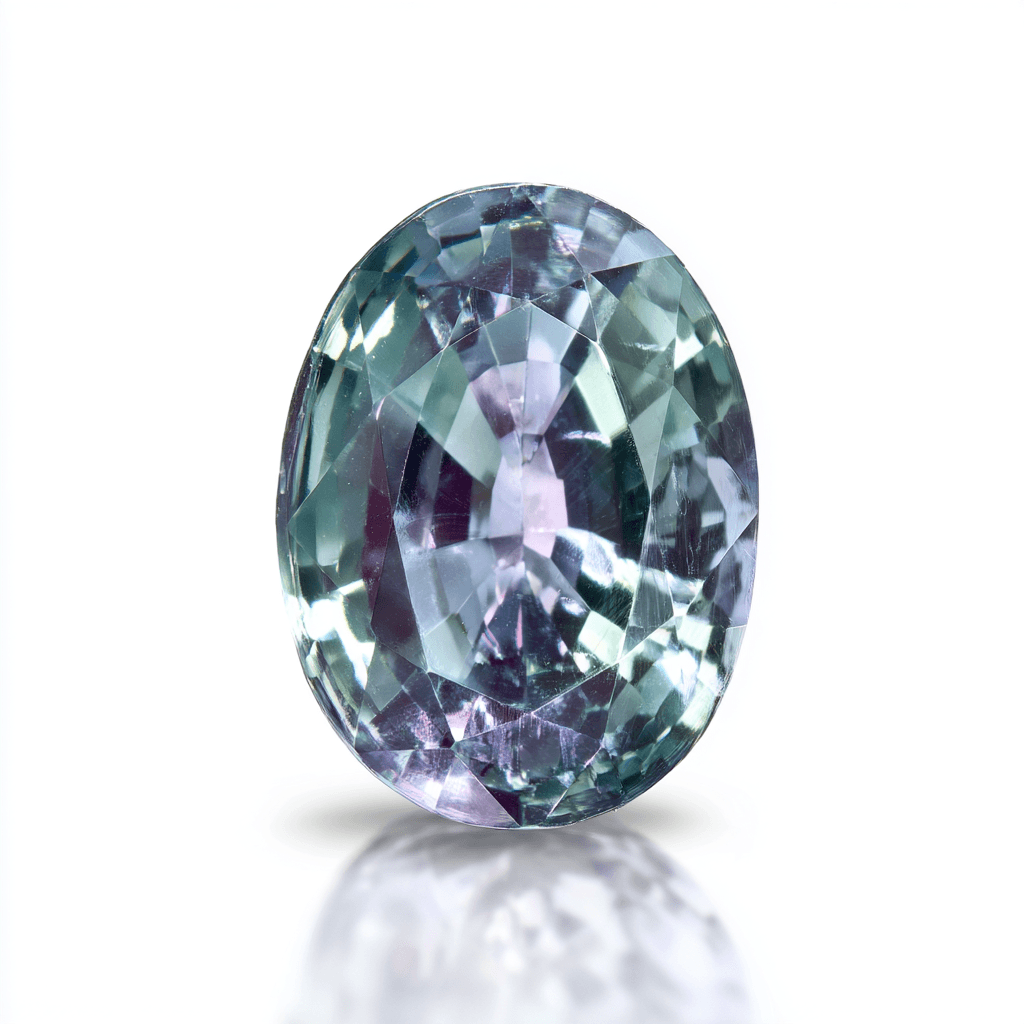
- Commercial size — roughly 3 carats and up for ruby, 5 carats and up for sapphire, 2 carats and up for fine Paraíba. Smaller stones are jewellery, not investments.
The three things that destroy returns
- Buying from the wrong market. Retail prices at the top end of the luxury-jewelry channel are typically 2–3× wholesale. You cannot make back that margin on resale unless you hold 15+ years.
- Under-disclosed treatment. "Minor heat" in 2010 can become "moderate heat" when re-tested with 2025 lab equipment — and the market discounts the stone accordingly. Always buy with a report from a top lab that dates your purchase.
- Illiquidity planning error. There is no public market-maker for gemstones. Exit happens through auction (Christie's, Sotheby's, Bonhams) or private sale to a dealer. Both take months and incur 15–25% commission on the buyer's premium side.
How to build a position
- Start with one stone, not a portfolio. Spend 6 months learning to evaluate a single category (sapphire, for example) before buying a second.
- Concentrate on top origins. Do not diversify across twelve minor origins — you dilute the upside.
- Document obsessively. Keep original lab reports, purchase invoices, and provenance paperwork in a fire-safe. The paper trail is part of the asset.
- Insure at declared value. Not replacement cost — declared value with an appraisal from a recognised body.
Who should not invest in stones
If you need liquidity in under 10 years, do not buy gemstones. If you cannot tolerate a 30% drawdown on paper for five years during a weak market, do not buy. If you find lab reports confusing after reading them twice, buy index funds and sleep better.
Gemstones reward patience and gemological literacy. They punish impatience and enthusiasm.